

Testing the lid without the production tray or forming web
Packaging format
Lidding Films
Lidding performance is an interface problem: the film, coating or sealant must work with the tray or forming web under the actual sealing conditions. Peel feel, clarity, barrier and contamination tolerance can be tuned for the application.
PROJECT FOCUSThe seal is created at an interface, not by the lid alone.
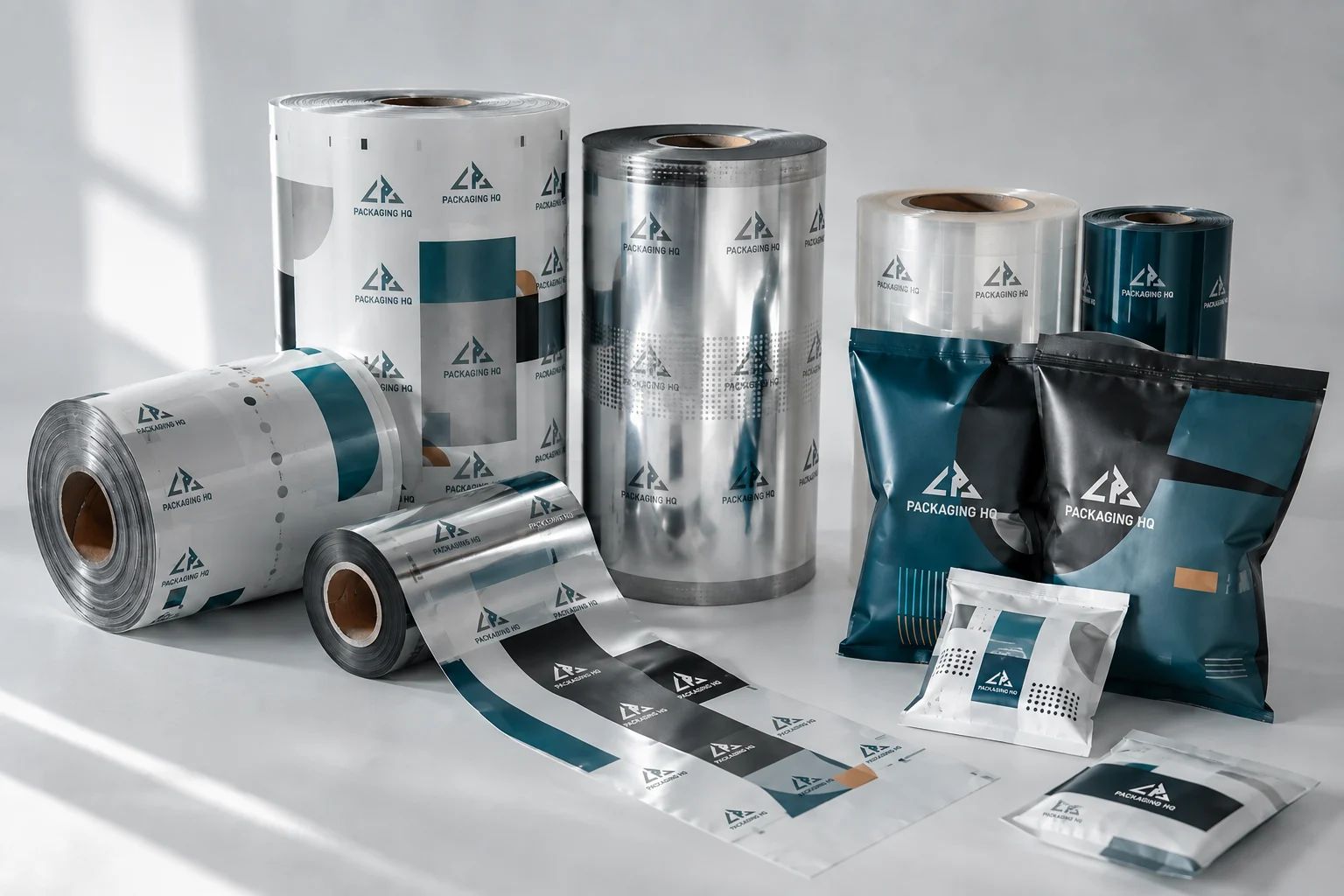
Web dimensions, film layers, print, seals, and roll requirements are developed around the application and filling line.
What the specification must resolve
What to confirm before production.
Peel strength, seal initiation, contamination tolerance and clarity depend on the lidding material, tray or bottom web, temperature, pressure and dwell. A successful evaluation uses the actual mating substrate and sealing process.
Key considerations
- Tray or bottom-web substrate
- Peelable versus permanent seal
- Seal temperature, dwell and pressure
- Anti-fog, barrier and puncture requirements
Common applications
- Prepared foods
- Dairy and snacks
- Portion cups
- Formed packages
Where projects go off track
Confirm these details early.
Setting a peel target without defining consumer experience
Ignoring fog, puncture or product contamination
01Product, fill and performance target
02Filling line, dimensions and material inputs
03Samples, trials, graphics and final approval
A common question
Can one peelable lid seal to every tray?
No. Tray resin, surface treatment, coatings and sealing conditions affect compatibility. The mating substrate should be identified and tested.
Continue the project
Connected packaging decisions
Let’s solve it together
Ready to discuss Lidding Films?
Share the product, production details, and decisions you already have. We’ll focus on what is still open.