

Selecting the highest barrier without a defined target
Packaging format
Laminated Barrier Films
A laminate can place different functions in the layers best suited to deliver them. Product sensitivity, shelf-life goal, distribution, filling and sealing should determine the structure.
PROJECT FOCUSEvery film layer should have a reason to be in the structure.
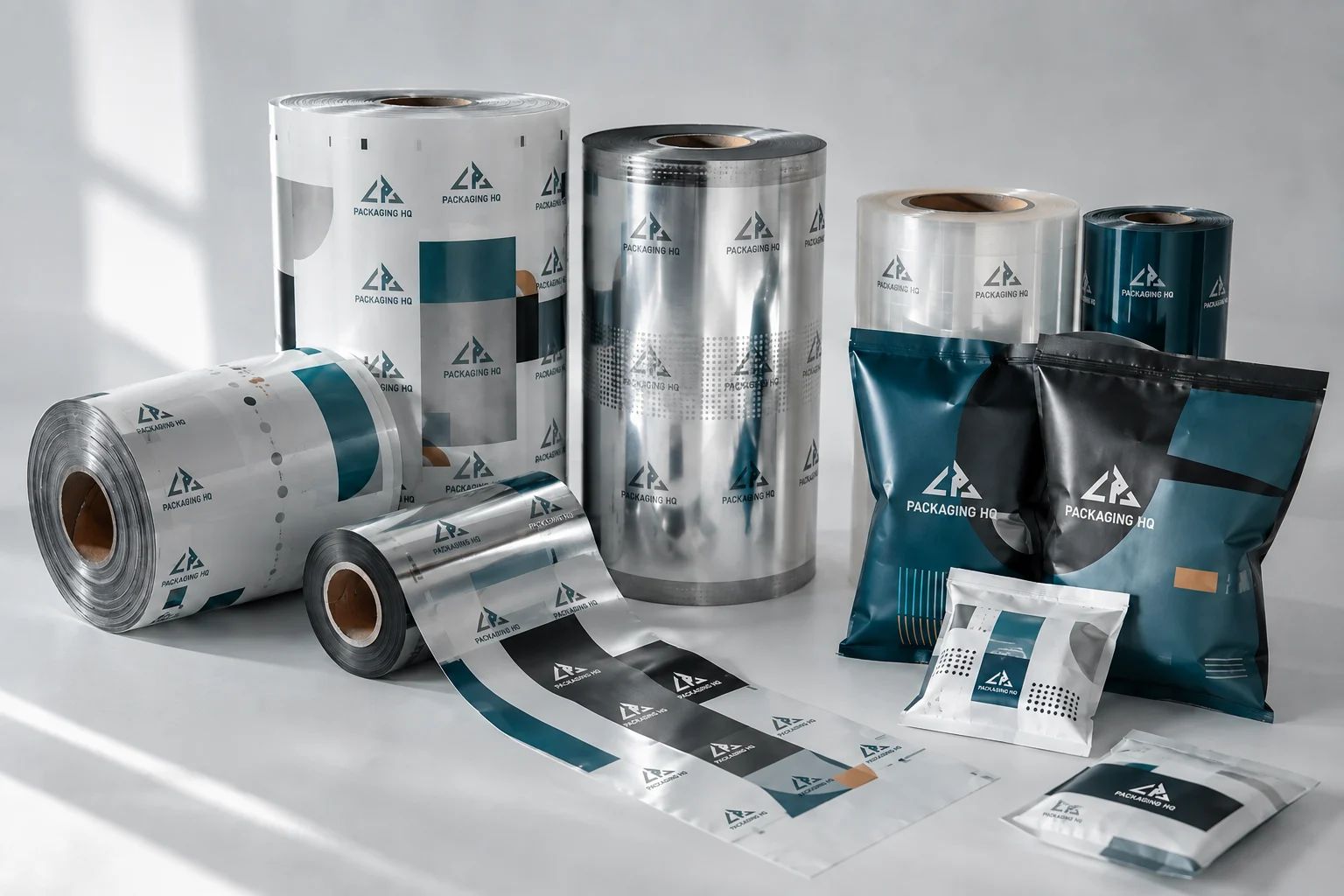
Web dimensions, film layers, print, seals, and roll requirements are developed around the application and filling line.
What the specification must resolve
What to confirm before production.
A laminate may combine print protection, stiffness, oxygen or moisture barrier, toughness and sealing. The film layers should follow product sensitivity, shelf-life goal, filling, distribution and line needs rather than a familiar construction.
Key considerations
- OTR and MVTR targets
- Light, aroma and chemical resistance
- Puncture, flex-crack and drop performance
- Adhesive and sealant compatibility
Common applications
- Coffee
- Supplements
- Pet food
- Sensitive foods
Where projects go off track
Confirm these details early.
Ignoring flex-crack, puncture or chemical compatibility
Changing adhesive or sealant without product and process review
01Product, fill and performance target
02Filling line, dimensions and material inputs
03Samples, trials, graphics and final approval
A common question
Does more barrier always mean better packaging?
No. Excess structure can add complexity without improving the application. The target is enough protection for the product and shelf-life goal with reliable production performance.
Continue the project
Connected packaging decisions
Let’s solve it together
Ready to discuss Laminated Barrier Films?
Share the product, production details, and decisions you already have. We’ll focus on what is still open.